




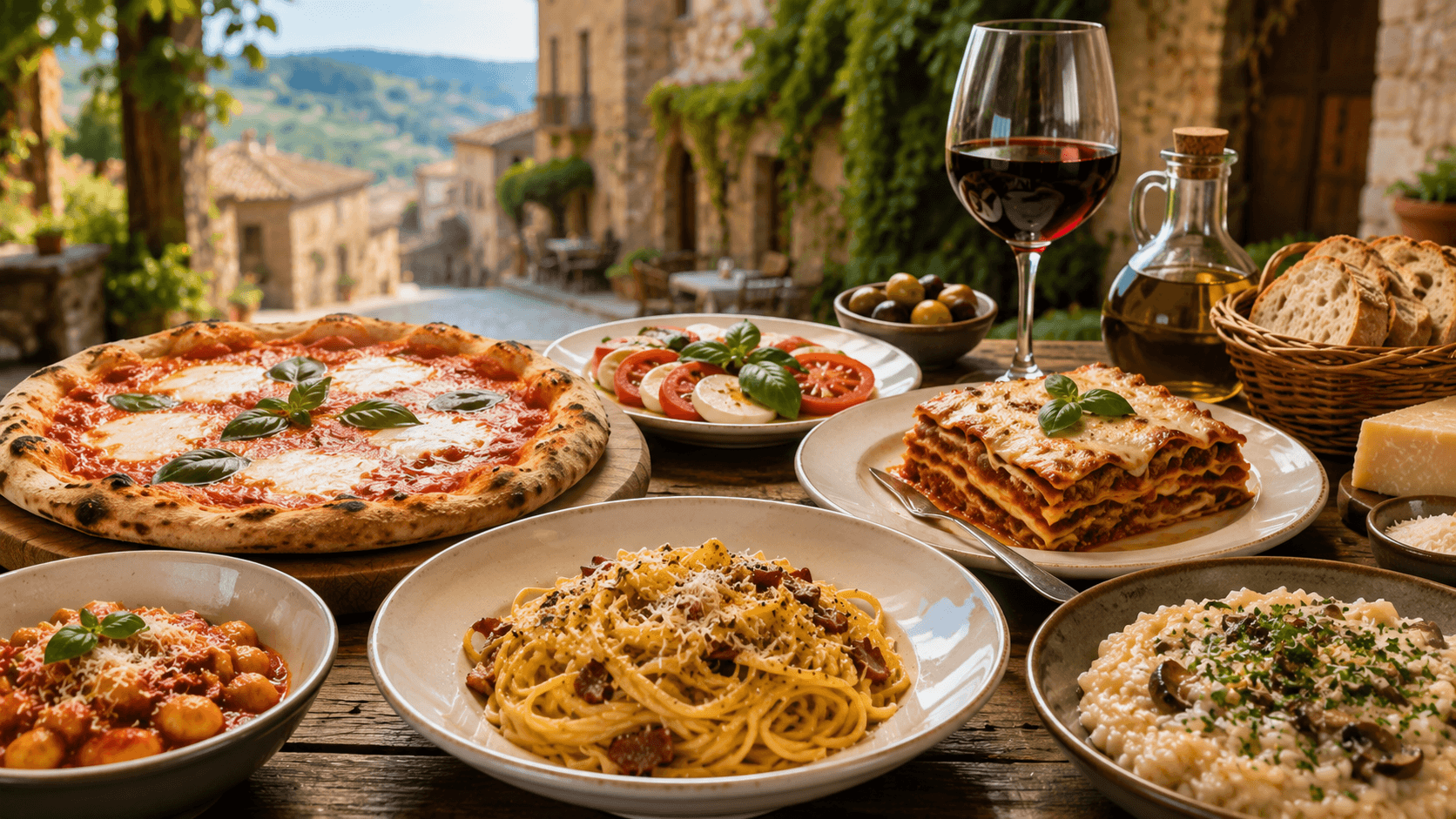
 Brunches in italy
Exploring the Culinary Heritage of Italy
Italian cooking relies on centuries of regional traditions, agricultural heritage, and raw ingredient quality. Food lovers often struggle to navigate the vast culinary options of the Mediterranean peninsula.
Understanding the historical roots of these regional recipes turns a basic meal into a profound cultural moment. This is why learning about the Best Traditional Italian Dishes You Must Try helps narrow down your options.
True Italian cooking relies on simplicity, utilizing high-quality local ingredients that shine without complex techniques. This guide explores the defining plates that establish the nation’s culinary identity, from the rustic hills of Tuscany to the bustling streets of Naples.
Knowing the Best Traditional Italian Dishes You Must Try makes planning your itinerary far easier. Focusing on authentic regional creations ensures a memorable experience.
The Icons of Roman Pasta Culture
Rome is famous for pasta dishes that rely on a small handful of stellar ingredients. Carbonara utilizes guanciale, pecorino romano, egg yolks, and black pepper to create a rich, velvety sauce. The heat of the freshly cooked pasta emulsifies the egg and cheese into a creamy coating without the use of cream.
- Guanciale: Cured pork cheek providing rich fat and savory depth.
- Pecorino Romano: A sharp, salty sheep milk cheese that forms the base of Roman sauces.
- Pasta Water: Starchy cooking liquid used to emulsify cheeses into a smooth sauce.
Cacio e Pepe stands as another brilliant example of Roman simplicity, combining pasta with only Pecorino Romano cheese and freshly cracked black pepper. Cooks temper the sharp cheese with starchy pasta water to form a smooth sauce that clings to every strand. These Roman classics rank high among the Best Traditional Italian Dishes You Must Try for anyone seeking bold, pepper-forward profiles.
Neapolitan Pizza and the Art of Simplicity
Naples is the undisputed birthplace of modern pizza, where the craft of the pizzaiolo enjoys UNESCO protection. A true Neapolitan pizza features a soft, elastic crust charred in a wood-fired oven reaching temperatures over 400 degrees Celsius. For the classic Margherita, the ingredients remain minimal, consisting of San Marzano tomatoes, fresh mozzarella, extra virgin olive oil, and fresh basil leaves.
- San Marzano Tomatoes: Grown in volcanic soil near Mount Vesuvius, offering balanced acidity.
- Mozzarella di Bufala: Creamy cheese made from domestic water buffalo milk.
- Wood-Fired Oven: Cooking chambers that bake the dough in under ninety seconds.
This classic combination displays the Italian flag colors, offering a perfect balance of acidity, creaminess, and herbaceous aroma. Selecting a traditional pizzeria certified by the Associazione Verace Pizza Napoletana ensures an authentic dining experience.
If you are compiling a list of the Best Traditional Italian Dishes You Must Try, authentic Neapolitan pizza deserves the top spot. It remains a global standard for rustic simplicity.
Classic Northern Italian Specialties
Northern Italian kitchens shift their focus from olive oil and tomatoes to butter, lard, and rich broths. Milan is famous for Risotto alla Milanese, a golden dish infused with saffron threads and enriched with beef marrow. The rice must be carnaroli or arborio, slowly cooked while stirring constantly to release natural starches.
Pairing this creamy rice with Osso Buco, a slow-braised veal shank cooked with white wine and vegetables, creates a hearty winter meal. Lombardy and Veneto contribute distinct textures to this list, expanding the selection of classic regional dishes with creamy starches.
Many food critics list this pairing among the Best Traditional Italian Dishes You Must Try. A finishing touch of gremolata, made of lemon zest, garlic, and parsley, cuts through the richness of the meat.
An Overview of Regional Italian Specialties
| Region | Signature Dish | Key Ingredients |
|---|---|---|
| Lazio (Rome) | Carbonara & Cacio e Pepe | Guanciale, Pecorino Romano, Black Pepper, Egg Yolks |
| Campania (Naples) | Neapolitan Pizza | San Marzano Tomatoes, Mozzarella di Bufala, Fresh Basil |
| Lombardy (Milan) | Risotto alla Milanese & Osso Buco | Saffron, Carnaroli Rice, Veal Shank, Gremolata |
| Tuscany | Ribollita | Lacinato Kale, Cannellini Beans, Day-Old Bread |
| Emilia-Romagna | Lasagne alla Bolognese | Spinach Egg Pasta, Ragù, Béchamel, Parmigiano-Reggiano |
| Liguria | Pesto alla Genovese | Sweet Genovese Basil, Pine Nuts, Pecorino Sardo, Olive Oil |
Tuscan Ribollita and Rustic Soups
Tuscany is famous for its peasant cooking, which values resourcefulness and the reuse of leftover ingredients. Ribollita is a thick, hearty soup made with stale bread, cannellini beans, lacinato kale, and seasonal vegetables. The name translates to reboiled, reflecting the traditional practice of reheating the soup over multiple days to develop flavor.
- Lacinato Kale: A dark leafy green that provides earthiness and structure.
- Cannellini Beans: Creamy white beans that thicken the broth naturally.
- Day-Old Tuscan Bread: Saltless bread that absorbs the liquid without dissolving completely.
This soup shows how simple, low-cost ingredients can combine to form a satisfying and nutrient-dense meal. Drizzling a high-quality, peppery Tuscan extra virgin olive oil over the hot bowl before serving is essential for real authenticity.
The Flavors of Emilia-Romagna
Emilia-Romagna is often called the culinary heart of Italy, producing famous exports like Prosciutto di Parma and balsamic vinegar. Lasagne alla Bolognese stands as the ultimate comfort food here, layering spinach-infused egg pasta with rich ragu and velvety bechamel sauce. Unlike southern variations, this traditional recipe does not contain ricotta or boiled eggs.
The slow-cooked meat sauce simmered for several hours with milk and wine creates a deep, satisfying flavor. Grated Parmigiano-Reggiano aged for twenty-four months completes this multi-layered masterpiece.
Exploring these rich baked pastas helps travelers understand why these regional specialties are among the Best Traditional Italian Dishes You Must Try when visiting northern provinces.
Ligurian Pesto and Coastal Classics
The coastal region of Liguria is famous for utilizing aromatic herbs grown along the Mediterranean cliffs. Pesto alla Genovese is the culinary pride of Genoa, crafted by grinding fresh basil, pine nuts, garlic, coarse salt, Parmigiano-Reggiano, and Pecorino Sardo. Extra virgin olive oil from the region blends these ingredients into a bright green sauce that is never heated.
- Sweet Genovese Basil: Small-leafed basil grown on coastal hillsides for a delicate flavor.
- Pine Nuts: Raw seeds that provide a creamy, nutty base to the sauce.
- Marble Mortar and Wooden Pestle: Traditional tools used to crush the leaves without bruising them.
Traditionally paired with trofie pasta or trenette, this dish offers a bright, herbaceous contrast to the heavier meat-based dishes of the inland regions. Incorporating this aromatic green sauce into your dining itinerary showcases the incredible diversity of Italy’s microclimates.
It is easily one of the Best Traditional Italian Dishes You Must Try during a summer visit. The freshness of the basil is unmatched.
Classic Italian Desserts
No culinary exploration of Italy is complete without tasting the sweet traditions that conclude a meal. Tiramisu, originating from the Veneto region, combines ladyfingers dipped in strong espresso with a whipped mixture of mascarpone cheese, egg yolks, and sugar. A generous dusting of cocoa powder balances the sweetness and richness of the dairy.
Sicily contributes the iconic cannoli, consisting of fried pastry dough shells filled with sweet, creamy sheep ricotta. These desserts highlight the contrasting textures of creamy and crunchy that define Italian pastry arts.
Savoring these regional sweets reveals why these selections are the Best Traditional Italian Dishes You Must Try for dessert lovers. They capture the essence of Italian indulgence.
Tips for Your Italian Culinary Adventure
Experiencing the authentic flavors of Italy requires looking beyond tourist-oriented menus and seeking out traditional trattorias. Each region offers a unique culinary story shaped by local geography, history, and agricultural microclimates. Choosing these regional specialties ensures a deeper connection to the local culture.
By focusing on high-quality ingredients and historical recipes, travelers can enjoy the true essence of Mediterranean dining. Savoring the Best Traditional Italian Dishes You Must Try provides a delicious gateway to understanding the rich heritage of the Italian peninsula. Choose small, family-run establishments to experience these recipes prepared according to generational traditions.


Comments are closed