




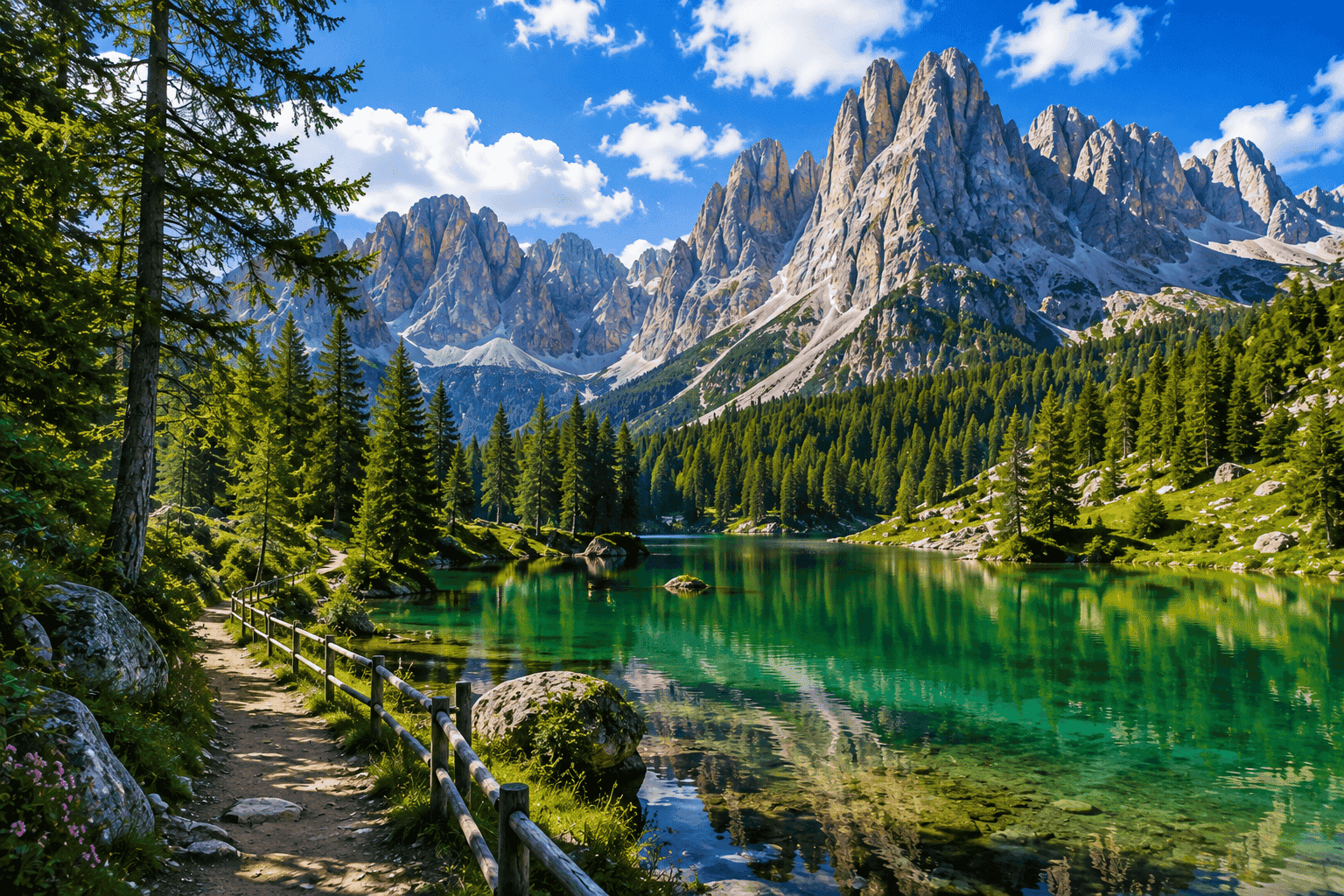
 Parks and outdoors
Italy holds over 1.5 million hectares of safeguarded wilderness across its national parks. This network spans around five percent of the country’s land area.
These borders shield some of the most ecologically diverse habitats across the European continent.
This breakdown examines these wild zones. We examine footpaths, wildlife diversity, and local conservation initiatives.
Explorers searching for pristine terrain will find striking variety within Italy’s Most Beautiful National Parks and Nature Reserves. Glacial Alpine peaks in the north contrast sharply with sun-baked Mediterranean coastal zones in the south. Learning the specific traits of each region assists travelers in planning low-impact, respectful journeys.
A Guide to Italy’s Most Beautiful National Parks and Nature Reserves
Gran Paradiso and the Alpine Wilderness
Founded in 1922, Gran Paradiso stands as the oldest national park in the country. It began as a royal hunting ground dedicated to keeping the endangered Alpine ibex from dying out. Today, the park encompasses more than 70,000 hectares across the rocky Piedmont and Aosta Valley regions.
When tracking Italy’s Most Beautiful National Parks and Nature Reserves, Gran Paradiso always commands attention for its early wildlife protection measures. Walkers can access 824 kilometers of marked paths cutting through deep glacial valleys and mountain meadows. The geography rises from thick larch forests to frozen heights exceeding 4,000 meters.
- Alpine Ibex: This wild mountain goat served as the sole reason for establishing the sanctuary.
- Gran Paradiso Peak: The highest summit rising wholly within domestic borders, reaching 4,061 meters.
- Nivolet Plateau: A high-elevation wetland home to peat bogs and clear mountain pools.
Coastal Splendor in the Cinque Terre
Cinque Terre National Park shields a delicate marine sanctuary alongside ancient agricultural terraces carved into sheer cliffs. This UNESCO World Heritage site links five historic fishing hamlets through age-old footpaths. High local population density makes this park an unusual study in close human coexistence with the natural world.
The Sentiero Azzurro, or Blue Trail, joins these hamlets along a 12-kilometer coastal route. Hikers get clear views of the Ligurian Sea and the steep vineyards producing local Sciacchetrà wine. This fragile mix of human heritage and marine life establishes the area as a standout location among Italy’s Most Beautiful National Parks and Nature Reserves.
- Sentiero Azzurro: The traditional shoreline route linking Riomaggiore to Monterosso.
- Marine Protected Area: A coastal sanctuary sheltering seagrass beds and aquatic life.
- Via dell’Amore: A paved walking path cut directly into the cliffs high above the water.
The Dramatic Peaks of Dolomiti Bellunesi
Situated in the Veneto region, Dolomiti Bellunesi National Park contains jagged limestone cliffs and deep ravines. It is noted for rare plant life, including ancient species that survived the last ice age. The reserve covers 31,000 hectares of fractured stone landscapes and elevated plateaus.
For people mapping out Italy’s Most Beautiful National Parks and Nature Reserves, this Veneto refuge offers deep solitude. Trekkers can find demanding routes leading to secluded valleys and sheer rock faces. Low commercial footprints keep this landscape exceptionally quiet.
Wildlife Conservation in the Apennines
Abruzzo, Lazio, and Molise National Park serves a critical role in shielding threatened Italian wildlife. It maintains a tight web of pathways through primeval beech woodlands that have stood for centuries. Conservation groups recognize these forests for their intact ecological health.
This region functions as a vital corridor within the grand system of Italy’s Most Beautiful National Parks and Nature Reserves, helping rare animals survive. The park runs successful animal recovery programs. This focus makes it a prime destination for wildlife observers.
- Marsican Brown Bear: A highly threatened bear subspecies found only in these mountains.
- Apennine Wolf: A hardy predator that has reclaimed its historic highland territory.
- Abruzzo Chamois: A mountain goat saved from extinction through focused preservation campaigns.
Gargano and the Maritime Forests
Perched on the spur of Puglia, Gargano National Park features sheer white limestone cliffs and deep sea caverns. The interior shelters the Foresta Umbra, an ancient woodland of beech and oak trees. This reserve stands as one of the largest protected regions in the nation.
The coastal fringes feature traditional wooden fishing structures called trabocchi. This combination of maritime cliffs and old-growth trees secures its place among Italy’s Most Beautiful National Parks and Nature Reserves.
Volcanic Wonders of Mount Etna
Mount Etna ranks among the most active volcanoes on Earth, shaping the Sicilian horizon. The surrounding regional park preserves rich volcanic soils and rare local plant life. Travelers can trek across fresh lava flows and climb ancient volcanic craters.
Those investigating Italy’s Most Beautiful National Parks and Nature Reserves will notice that Etna offers a sharp contrast to northern green valleys. The park maintains designated paths built for observing volcanic activity safely. This provides a completely different view of the national landscape.
Summary of Featured Italian Parks
| Park Name | Region | Primary Attraction |
|---|---|---|
| Gran Paradiso | Piedmont & Aosta Valley | Alpine Ibex & Glacial Valleys |
| Cinque Terre | Liguria | Coastal Trails & Terraced Vineyards |
| Dolomiti Bellunesi | Veneto | Limestone Peaks & Rare Flora |
| Abruzzo, Lazio, and Molise | Abruzzo, Lazio, Molise | Marsican Brown Bear & Ancient Forests |
| Gargano | Puglia | Foresta Umbra & Limestone Cliffs |
| Mount Etna | Sicily | Active Volcanic Craters |
Preserving the Italian Wilderness
Italy has constructed a strong network of protected areas that balance human foot traffic with strict ecological care. Traveling here supports local protection efforts and rural communities. Safeguarding Italy’s Most Beautiful National Parks and Nature Reserves ensures these mountain ranges and shores remain healthy for years to come.
Low-impact travel habits ensure these delicate ecosystems stay healthy. Walkers must stay on designated paths. Respecting animal boundaries remains essential during every outdoor excursion.


Comments are closed